Starting a level
LV1 and START are the whole entry point
The screen shows a level marker (LV1) and a single START control, so there is no long menu to work through before play and no mode list to weigh first. The way into any stage stays the same short walk.
Because the level number appears before you begin, you always know which stage you are about to attempt, and you can see that stage rather than guess it before pressing START; if the marker is still absent, treat the screen as loading instead of broken.
Special level
A Special level runs alongside the numbered track
Special level appears as an option distinct from the numbered levels, so it is not simply the next stage in the sequence but a separate entry that sits beside the normal progression on the same screen.
Treat it as a side challenge: you can attempt it without disturbing where you are in the main track, which makes it a useful change of scene between numbered runs or a fresh try when a numbered stage keeps stalling.
Sound
Music is a control, not a background detail
A Music toggle sits on the same screen as START, which means audio is something you can settle before a session begins rather than chasing it mid-level once the looping track becomes a distraction you notice only then.
Settling the toggle before you begin costs nothing and keeps the whole run quiet, which matters most in a shared room or across a long series of levels where one extra tap between stages adds up.
Session
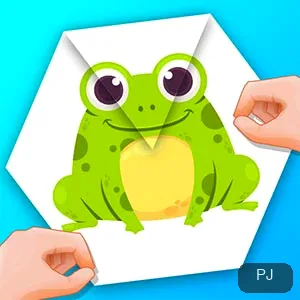
Plan before START: pacing a Paper Fold session
A typical sitting is one level at a time: read the LV1 marker, press START, complete the stage, and let the next numbered level take its place. Nothing on the screen forces a pace, so the session length is yours to set.
Each stage is a complete unit, so stopping after a finished attempt wastes nothing and loses nothing; only a reload sends a session back toward the start of the track, which is why a refresh is worth avoiding.
Loading
A reload brings back LV1
Because the game loads through an embedded player, the first screen can sit quiet for a stretch while the build warms up. The LV1 marker and START control appearing together is the sign that a stage is ready to begin.
A refresh starts the load over from scratch, so a reloaded session returns to the same starting marker rather than resuming mid-stage; when the first screen stays quiet, give it a few moments longer before you refresh.
Choosing
Special level as the change of pace
When the numbered track starts to feel repetitive, the Special level is the option built to sit apart, it offers a different shape of stage without touching your place in the main sequence, so trying it costs no progress.
Use it as the middle of a longer sitting: a numbered level, the special stage, then back to the numbers. That rotation keeps the session varied while every stage still starts from the same START control, without asking you to learn anything new.
Common questions
Levels, sound, and reloads
What is the Special level in Paper Fold?
It is an option separate from the numbered levels, so it is a side challenge rather than the next stage in sequence. Attempting it leaves the main track untouched.
How do I start playing?
Pick the level marker (the screen shows LV1) and press START; the game opens straight into that stage.
Can I turn the music off?
Yes. A Music toggle sits on the same screen as the level marker and START, so audio can be off before the session begins.
The screen stays quiet. What should I do?
The game loads inside an embedded player, so the first screen can take a while to appear. Give it time; a reload starts the whole load over from the beginning.
What happens if I refresh mid-level?
A refresh starts the build over from scratch, so a reloaded session returns to the starting marker. The track does not resume where you left off.