Picking a cat
The game asks you to choose before you play
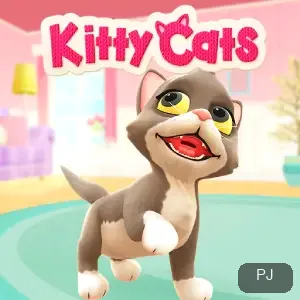
The opening prompt reads “Pick your cat!”, so choosing an animal is the first thing the game asks of you, a real decision at the front of the session, not a cosmetic option buried in a menu.
Because the choice comes before play, it is worth taking a moment over: a selection made at the start is the one the session runs with, so the extra seconds are time spent well.
Starting
One Play control opens the game
A Play control is the entry point, with no mode list in front of it. Once the decision is made, the route into the game is a single press.
That keeps the opening short: choose a cat, press Play, and the game begins. There is nothing else to configure, so the only step between you and play is the choice itself.
About the studio
The build carries a studio credit
The menu includes an About entry and a visible studio credit, both shown inside the game's own interface rather than borrowed from the listing page.
A credit inside the build is a small but useful signal when judging a browser game: it means an identifiable maker stands behind the file, which is more than many arcade frames offer, and a detail worth checking when a game is new to you.
Loading
From Loading... to the Play menu in stages
The build opens on its title with Loading... on screen, and the menu arrives after it. First the loader, then Play. That staged arrival is the normal way in, not a stuck frame, and the readout is the build saying it is still working.
Wait for the menu instead of refreshing, because a reload returns to Loading... and runs the same wait again. Once Play and About appear, the patience has paid off.
Session shape
Pick your cat!, Play, and then the game
All the setup sits at the front: one choice on “Pick your cat!”, one press on Play, and then the game itself runs the session. After that, the interface spends its time on play rather than menus.
That structure suits short sittings, because the decisions are made in seconds, and long ones too. Once the front-loaded setup is done, it does not interrupt the play that follows.
Shelf choice
Pick your cat: the lightest opening on the shelf
On the arcade-action shelf, neighbour titles front several systems at once, Draw, Pack, and Challenge on Virus Attack: Merge Plane, for example. Kitty Cats fronts exactly one prompt and one control.
Pick Kitty Cats when you want the session to open with a single meaningful decision; pick the multi-system neighbour when collecting and equipping is the point. The opening screen tells you at a glance which game you are in before you invest a minute.
Common questions
Choosing and starting
Do I have to choose a cat?
Yes. The game's opening prompt reads “Pick your cat!”, so the choice comes before play rather than being optional.
How do I start playing?
Press Play. There is a single entry control and no mode list in front of it.
What is the About entry for?
It carries a visible studio credit inside the build, so the maker is identifiable rather than unattributed. A useful check before you invest time.
Why does Loading... sit on screen first?
The build shows Loading... while it prepares, then the menu with Play appears. Wait rather than refreshing, because a reload runs the same wait again.
Is there anything else to set up?
No, after the pick on “Pick your cat!”, a single Play control opens the game. There is no mode list or extra configuration in front of play.